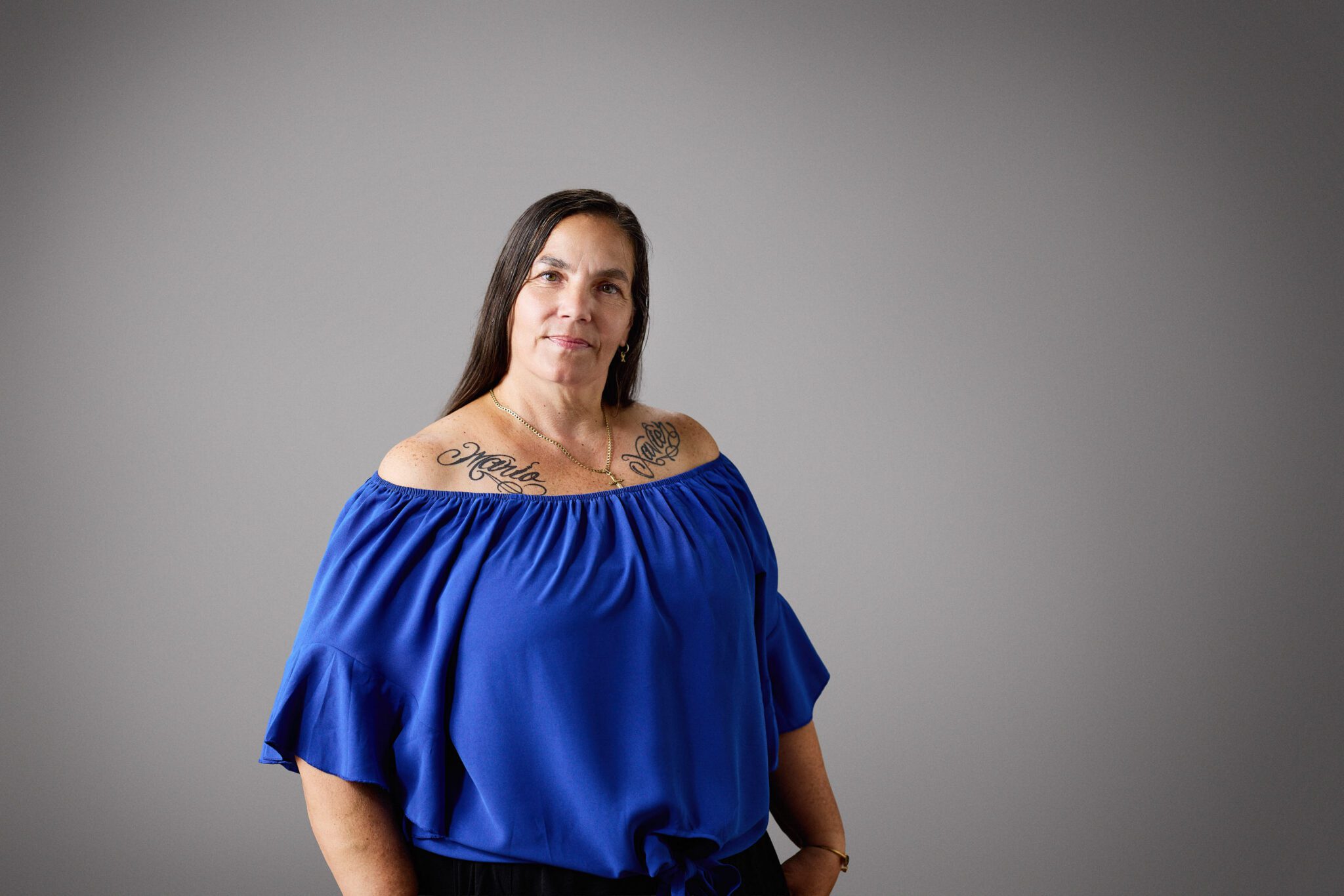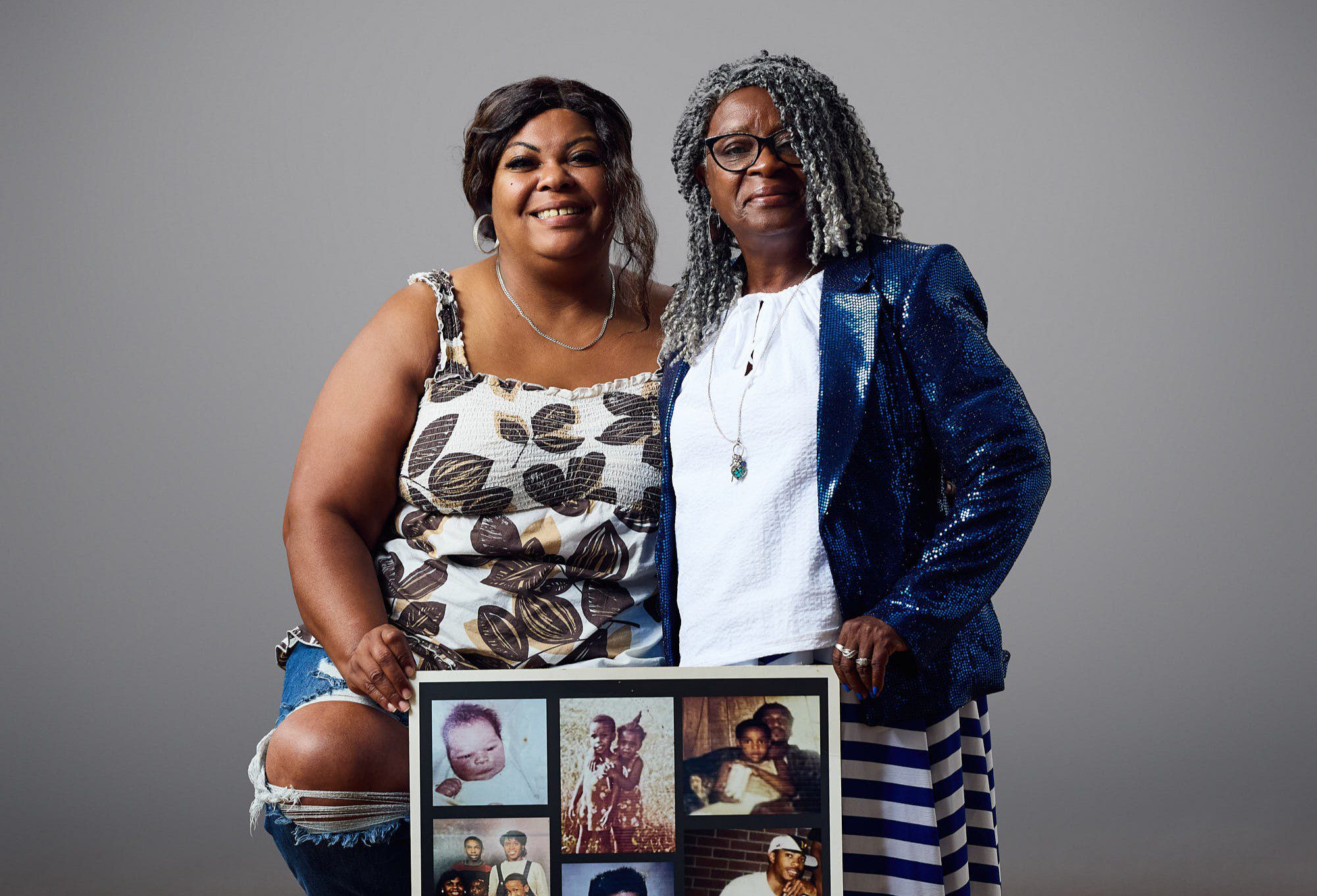
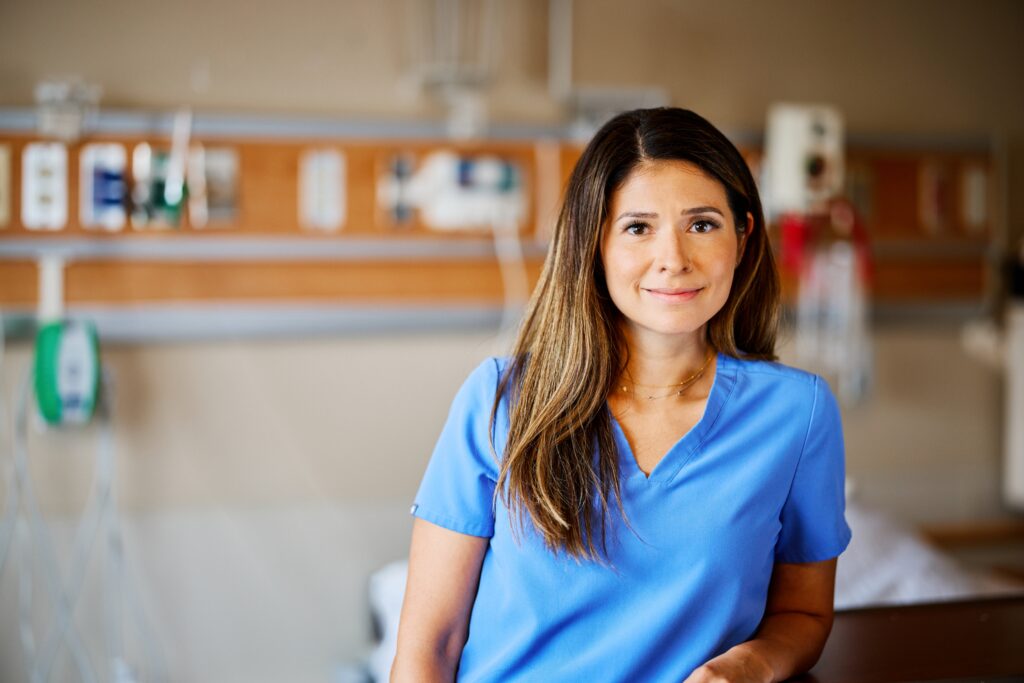
Christina Bley has spent her career at Loyola University Medical Center caring for patients and their families during some of the hardest moments of their lives. As the nurse manager of the neuroscience floor and its ICU, she’s no stranger to the fragility of life and to the profound impact of organ and tissue donation.
But that all became deeply personal in 2021.
That May, her family received the call no one ever wants to get. Her brother had been in a devastating car accident. On Mother’s Day, the medical team regretfully told the family that he would not recover from his injuries. Amid heartbreak, one of his close friends shared something Christina’s family did not know: her brother had registered as an organ donor.
“It was a conversation we never had as a family,” Christina recalls. “But knowing he had already made that decision himself brought a sense of relief. We could honor his decision in the midst of our grief.”
Her brother’s selfless act became a light in the darkness. “Learning that he was able to help others in such a profound way brought a sense of purpose to our pain,” Christina said. “That experience stayed with me, and on my 40th birthday, I chose to honor his legacy by registering to become an organ donor myself.”
Christina’s dual perspective as both a nurse and a donor family member has shaped her passion for advocacy. “With my experiences, I have a deep understanding of the impact organ donation has—not just on recipients, but on families and care teams as well,” she explained. “It has given me a unique perspective that drives my passion for education around this lifesaving decision.”
She knows that fear and misinformation often hold people back from joining the donor registry. “Talking about organ donation forces people to confront their mortality,” she said. “Some also worry that doctors won’t work as hard to save them if they’re registered donors, or they’re uncertain how donation aligns with their faith or culture.”
Her advice to anyone who’s unsure? “I understand why you might feel hesitant. I did. It’s a deeply personal decision. But take a moment to learn what organ donation really means. It doesn’t affect the care you receive as a patient. And if you’re still unsure, just start by having a conversation with your loved ones.”
For Christina, every discussion about donation is an opportunity to replace fear with understanding, grief with hope.
“Organ donation is truly a gift of life,” she said. “One donor can save or improve the lives of up to eight others. It changes the conversation from death to hope, healing and the second chances that come from one person’s selfless choice.”